Hannover Messe 2026 –
Green Hydrogen Value Network at Its Very Best
Hannover Messe 2026 was more than just a conference for Möhring Energie. It was a confirmation: The direction is right, the partners are there – and the green hydrogen economy doesn’t need any more giga-promises now, but people and companies who are starting to build.
Clear message from two roundtables
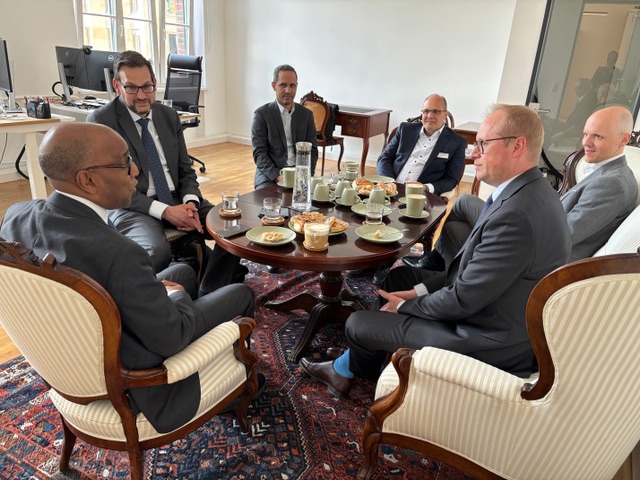
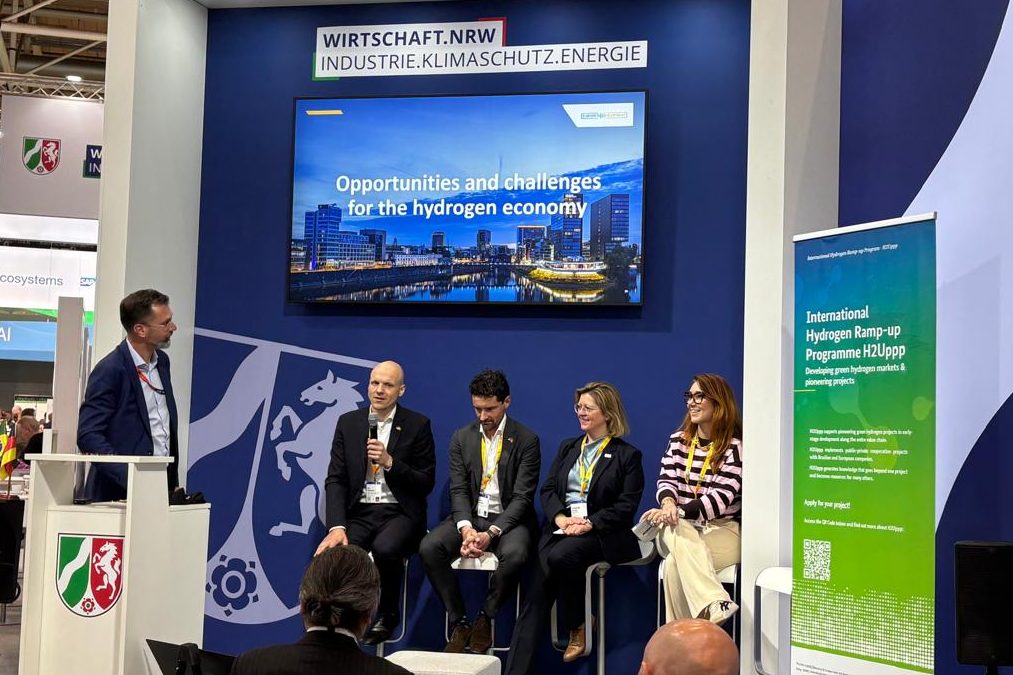
On the second day of the trade fair, Möhring Energie was represented in two high-level discussion panels. At the BMWE Roundtable, organized jointly with GIZ and AHK, companies and institutions from Brazil and Germany discussed the current status of PtX development. The conclusion was clear: too many giga-scale projects remain on paper. What is needed are projects that actually map the entire value chain – from production to the end customer. Export to Europe. Fertilizer for Brazil.
The PtX port roundtable with the Port of Pecém, the Port of Rotterdam and Duisport followed in the afternoon. Here too, the tenor was the same: build supply chains, secure infrastructure, take concrete next steps – together. The recommendation to Möhring Energie was clear: network stakeholders, submit funding applications, get started. We take that literally.
FortaVerde: Mega before Giga
Our FortaVerde project in the state of Ceará, Brazil, is at the heart of these debates. It embodies exactly what the industry is calling for: a realistic, integrated approach – green hydrogen for the European industry, green ammonia as fertilizer for the Brazilian market. Not gigawatts on paper, but megawatts in reality. First prove, then scale. Precisely because we are not a corporation, but a medium-sized company, we have worked on all parts of the value chain right from the start – from technology providers for our modular, scalable plants to logistics and port partners through to secure off-take.
German-Brazilian-Dutch partnership in action
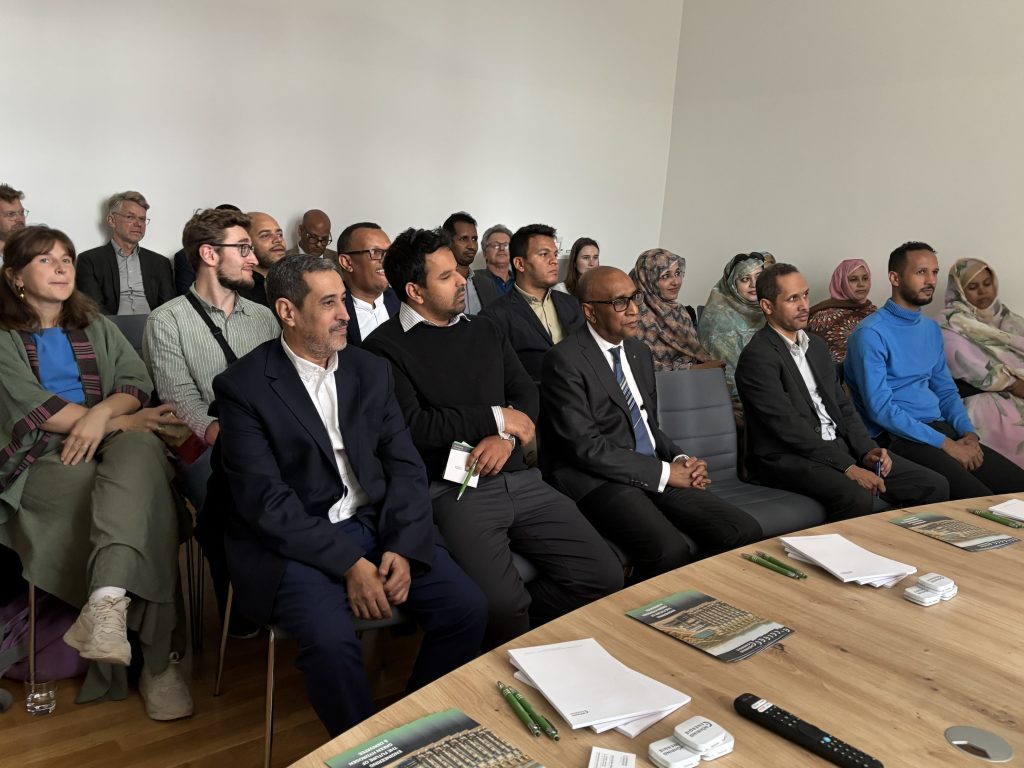
On the third day of the trade fair, what the previous days had already foreshadowed came to fruition. In the session “Fuels of the Future – Brazil’s Strategic Potential” (by Siemens & GIZ), State Secretary Bernhard Kluttig and Dr. Gunther Grathwohl (Head of Hydrogen Department, BMWE) made it clear in their keynotes: Germany’s hydrogen ramp-up needs precisely this type of integrated, cross-border value chain. Project developers who are ready to build now have the political tailwind.
Fábio Koga (CEO, Siemens Electrification) and Andre Gustavo (CEO, Cocal) used concrete examples of success from Brazil – from sugar cane production to utilization at all levels of the value chain – to show that the path from vision to reality is feasible. Port representatives Fabio Grandchamp (Port of Pecém), Wouter Demenint (Port of Rotterdam) and Johannes Eng (Duisport) explained what logistics and infrastructure for green fuels mean in practice. The magical port triangle of Pecém – Rotterdam – Duisburg was not just a topic, it was physically present.
In the afternoon, the “NRW meets Brazil” sessions highlighted the close links between the industrial locations and port regions of both countries. As a project developer and integrator, Möhring Energie was right in the middle of it all.
The network is the key – and resilience is the goal
Tim Huesmann, Head of Sales & Finance at Möhring Energie, summed up our competitive advantage: “Unlike many larger players in the market, our strategy as an SME has always been to develop every part of the value chain in parallel – technology, logistics, ports and offtake. This is precisely why we are where we are today: Planning is well advanced, the offtake is secured and we are ready to build. Not even though we are small, but precisely because of that.”
And further: “Let’s just get started. If we don’t start, we won’t learn. So let’s start now, learn and scale up. Realistic first steps to map the entire value chain one day – so that green molecules find their way into industry. The German way: start modest and grounded, then grow step by step to giga-scale.”
Hannover Messe 2026 has shown: Only an actively communicating network of people who want to see green molecules produced and used in industry can put together a value chain that is both economically viable and strategically indispensable – as a genuine contribution to energy resilience and independence from fossil fuels.
Our conclusion
The network is there. The political will is real. The infrastructure partners are ready. We are taking the next steps together – megawatt by megawatt. Together we have seven-league boots. Together we can achieve giga.